How to Prepare Your Lawn for Spring: Expert Tips from Dml Projects
Understanding Your Lawn's Needs
As spring approaches, it's essential to understand the unique needs of your lawn to ensure it thrives throughout the warmer months. Different grass types require specific care practices, so identifying your grass type is the first step. Knowing whether you have cool-season or warm-season grass will guide your preparation efforts.

Clearing Debris and Thatch
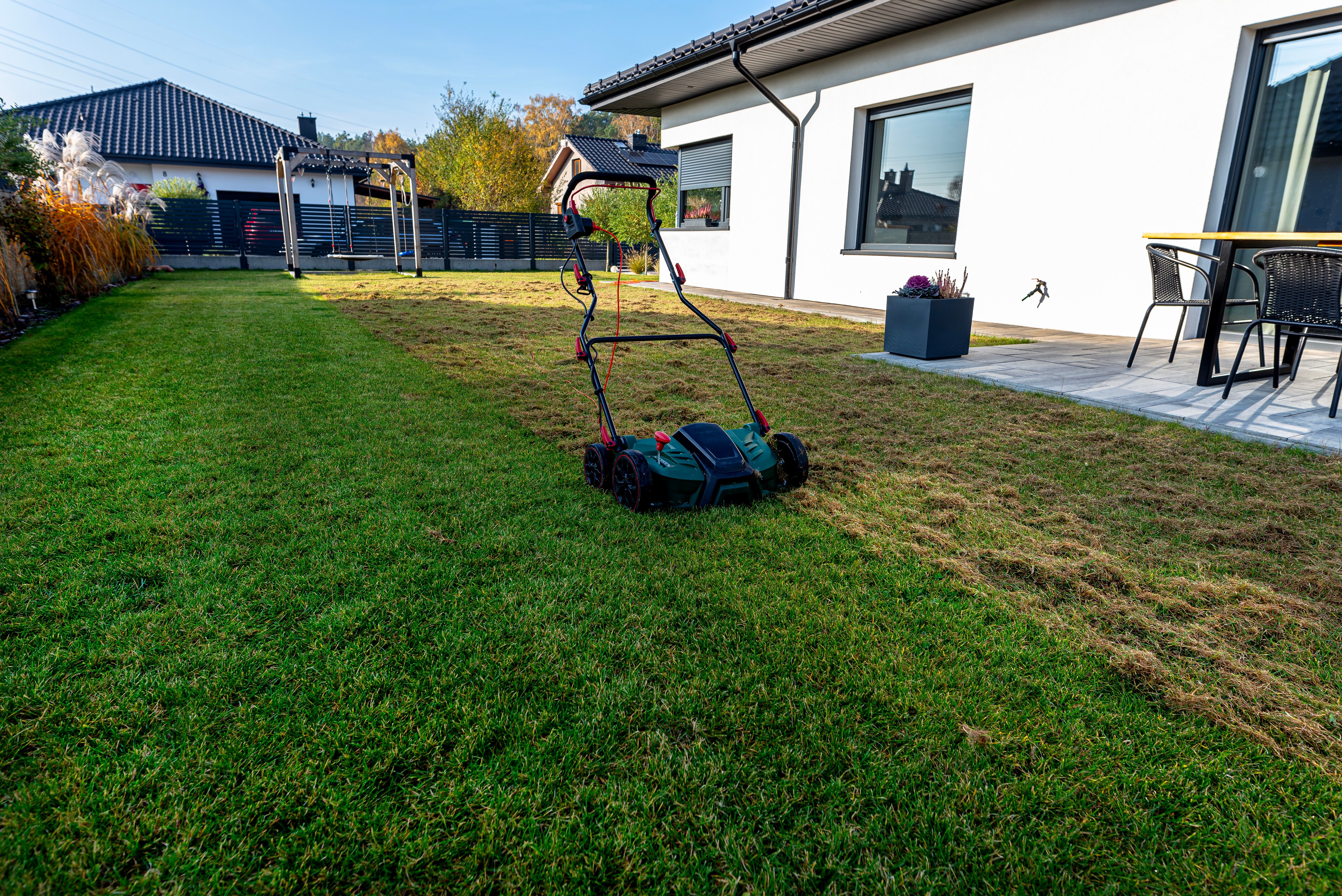
Over the winter, leaves, twigs, and other debris can accumulate on your lawn. Clearing this debris is crucial as it allows sunlight to reach the grass and prevents disease. Rake your lawn thoroughly to remove these materials. Additionally, check for thatch, a layer of dead grass and roots that can hinder water and nutrient absorption. If the thatch layer is more than half an inch thick, consider dethatching.
Soil Testing and Aeration
Testing your soil's pH and nutrient levels can provide valuable insights into what your lawn needs. You can purchase a soil testing kit or consult a local extension service. Once you know what your soil lacks, you can choose the right fertilizers. Aeration, which involves perforating the soil with small holes, is another important step. It improves air circulation, water absorption, and nutrient penetration.
Fertilizing and Seeding
Applying the right fertilizer is crucial for a healthy lawn. Choose a fertilizer that matches your soil's needs, as identified in your soil test. Early spring is also an excellent time to overseed your lawn. This helps fill in bare spots and enhances the lawn's density. Make sure to select a seed type that matches your existing grass.
Watering Wisely
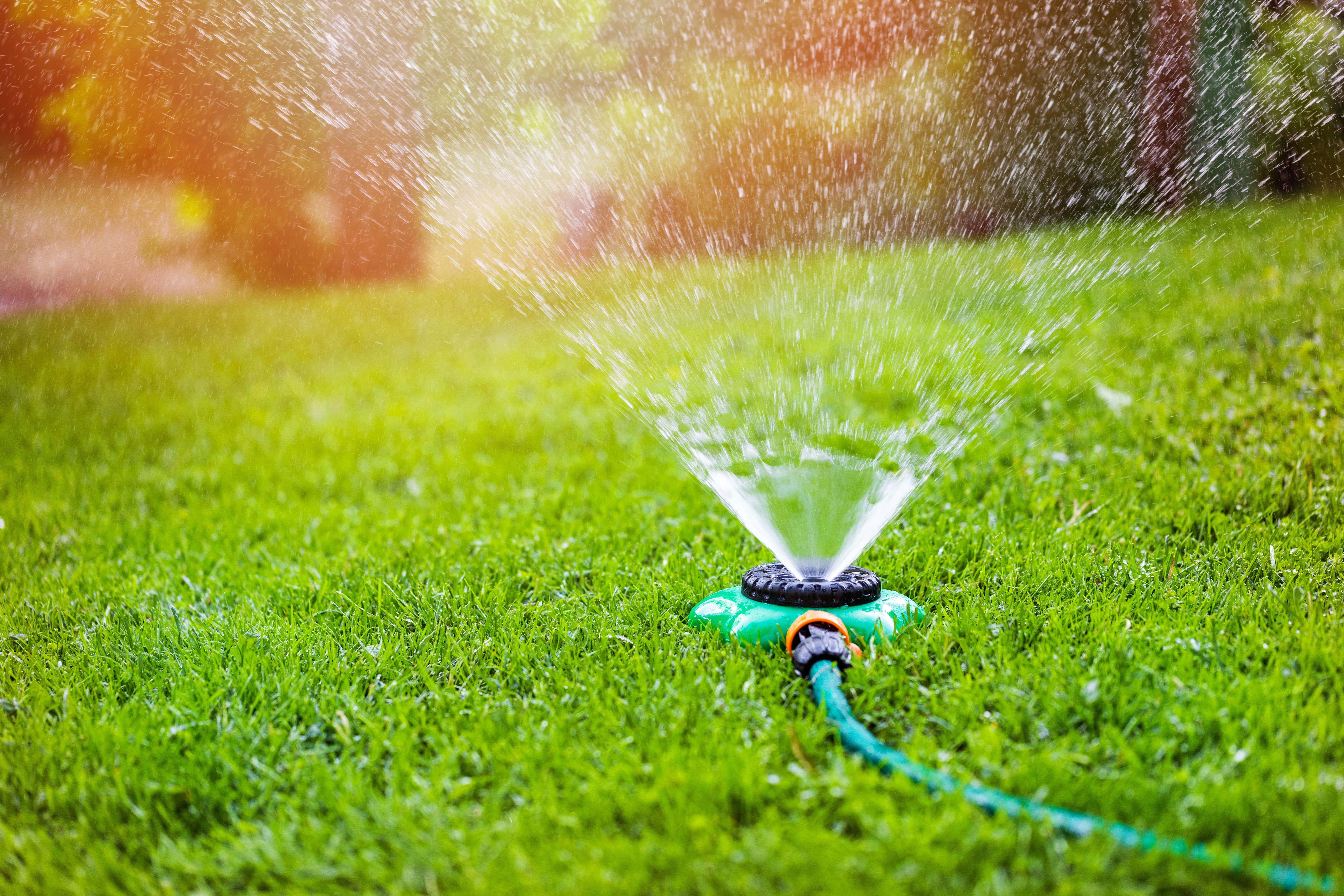
Watering is essential, but it's important to do it wisely. Overwatering can lead to fungus and disease, while underwatering can cause stress. Aim to water deeply and infrequently to encourage strong root growth. Early morning is the best time to water, as it reduces evaporation and allows the grass to dry before nightfall.
Dealing with Weeds
Spring is when weeds begin to emerge, so it's crucial to address them early. Use a pre-emergent herbicide to prevent weed seeds from germinating. If weeds have already appeared, spot-treat them with a post-emergent herbicide. Always follow the instructions on the product label to avoid damaging your lawn.
Regular Mowing Practices
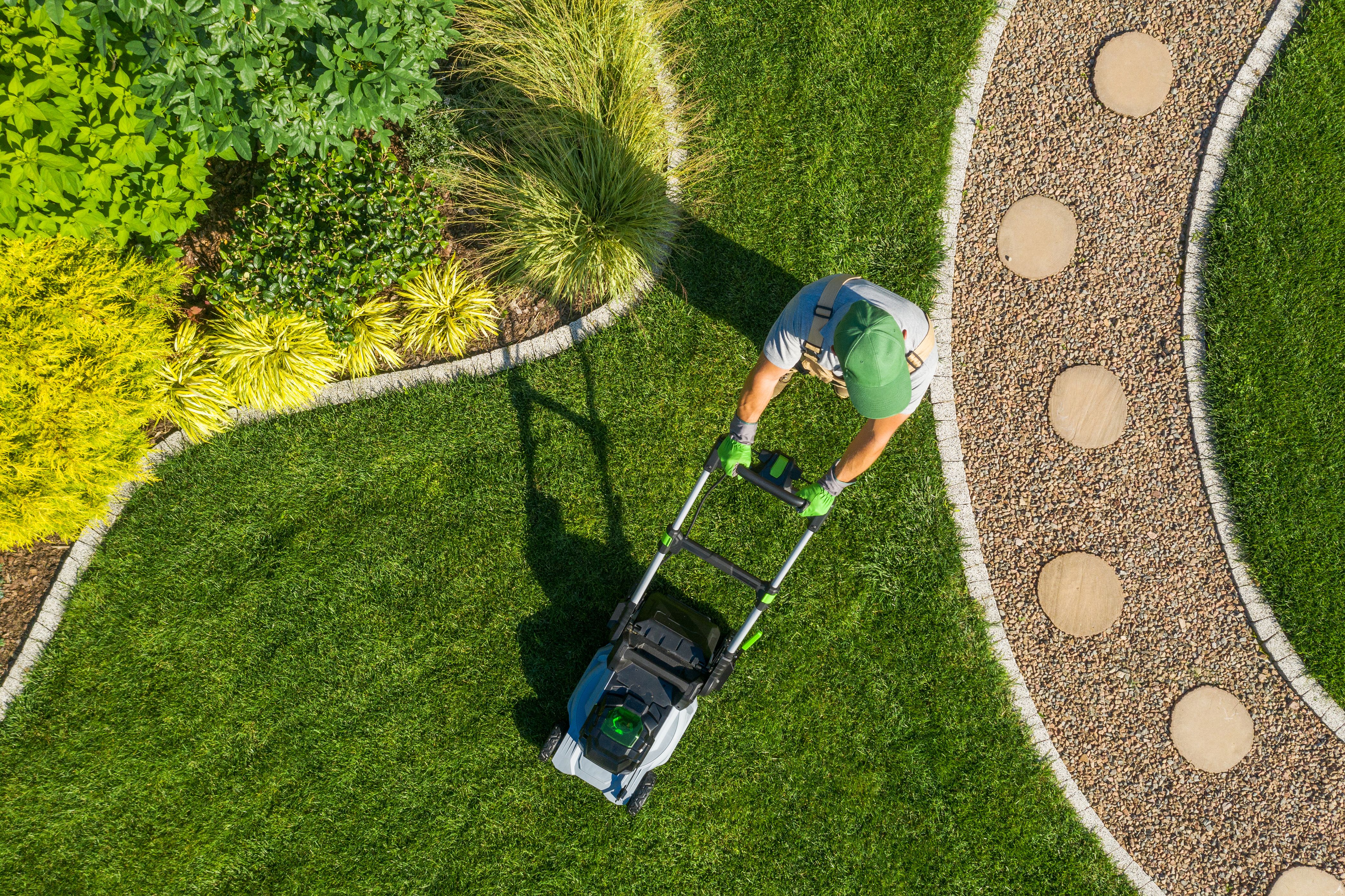
As your grass starts to grow, regular mowing will be necessary. Set your mower blades to the correct height for your grass type and ensure they're sharp to make clean cuts. Avoid cutting more than one-third of the grass height at a time, as this can stress the lawn and lead to a less healthy appearance.
Monitoring and Maintenance
Once your lawn is prepared, ongoing monitoring and maintenance are key. Keep an eye out for pests, diseases, and any areas that may need additional attention. Regularly check the sharpness of your mower blades and adjust your care practices as needed based on weather conditions and grass growth.
By following these expert tips from Dml Projects, your lawn will be well-prepared for the spring season. A little effort now will ensure a lush, vibrant, and healthy lawn that you can enjoy all summer long.