Common Myths About Landscape Maintenance Debunked
Introduction to Landscape Maintenance Myths
Landscape maintenance is a crucial aspect of keeping your outdoor spaces vibrant and healthy. However, there are several myths surrounding it that can lead to confusion and mismanagement. In this post, we'll explore and debunk some of the most common myths about landscape maintenance, helping you make informed decisions for your garden or lawn.
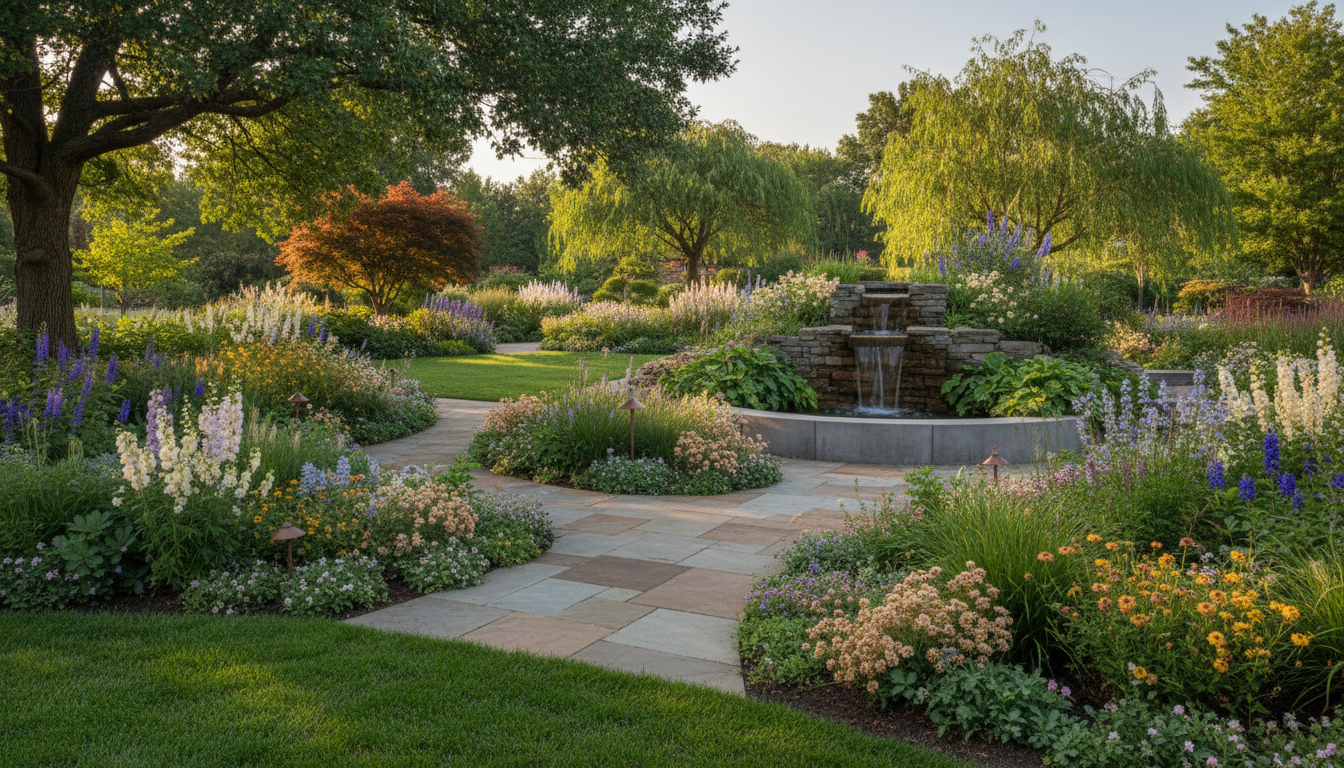
Myth 1: More Water Means a Healthier Lawn
One of the most prevalent myths is that watering your lawn excessively will make it healthier. In reality, overwatering can lead to root rot, fungal diseases, and a shallow root system. It's essential to water your lawn deeply but infrequently to encourage deep root growth and drought resistance.
How Much Water Does Your Lawn Need?
The amount of water required depends on the grass type, climate, and soil. Generally, most lawns need about 1 to 1.5 inches of water per week, including rainfall. Using a rain gauge can help you monitor this effectively.

Myth 2: Fertilizer Is Always a Must
While fertilizers can enhance growth and color, they are not always necessary. Over-fertilizing can lead to nutrient imbalances, environmental pollution, and harm to the grass. It's crucial to test your soil to determine its nutrient needs before applying any fertilizer.
Alternatives to Chemical Fertilizers
- Compost: Provides nutrients and improves soil structure.
- Mulching: Retains moisture and adds organic matter.
- Organic fertilizers: Slow-release and environmentally friendly.

Myth 3: All Insects Are Harmful
Many people assume that all insects in their garden are pests. However, this is not the case. Beneficial insects like ladybugs, bees, and certain beetles play a vital role in pollination and pest control. Encouraging a diverse ecosystem can naturally keep harmful pests in check.
Encouraging Beneficial Insects
Planting a variety of flowers and avoiding broad-spectrum pesticides can help attract and maintain a healthy population of beneficial insects. This approach reduces the need for chemical interventions and promotes a balanced ecosystem.
Myth 4: Pruning Can Be Done Anytime
Pruning is essential for plant health and aesthetics, but timing is critical. Pruning at the wrong time can stress plants and make them susceptible to diseases. Knowing the optimal time for pruning each plant species is key to successful landscape maintenance.
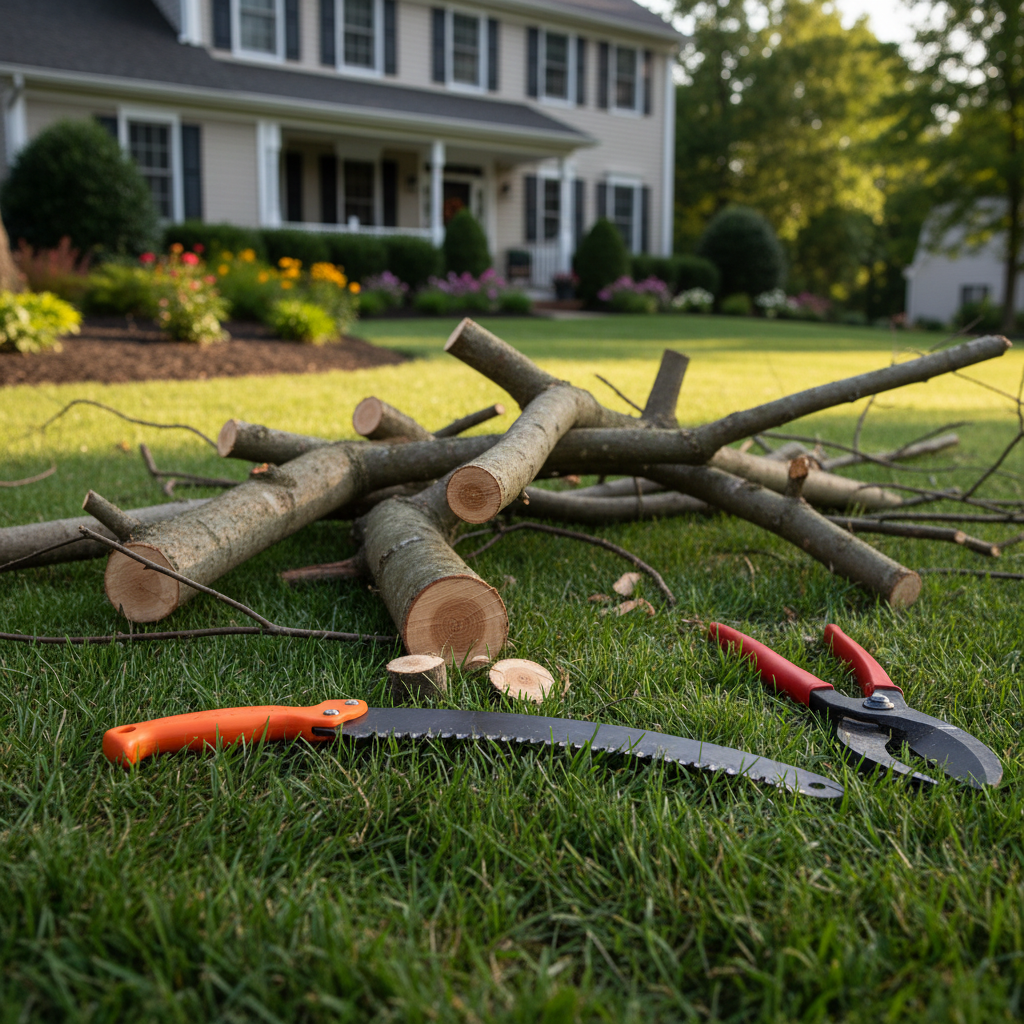
When to Prune Common Plants
- Spring-flowering shrubs: Prune immediately after blooming.
- Summer-flowering plants: Prune in late winter or early spring.
- Trees: Prune during dormancy in late winter.
Conclusion: Cultivating Knowledge for Better Landscapes
By debunking these common myths, you can approach landscape maintenance with confidence and knowledge. Understanding the true needs of your garden helps create a thriving outdoor space that's both beautiful and sustainable. Always remember to tailor your maintenance practices to the specific requirements of your landscape, ensuring long-term health and vitality.