5 Lawn Care Myths Debunked: Expert Insights from Courtenay Professionals
Understanding Lawn Care: Separating Fact from Fiction
Lawn care can often feel overwhelming, especially when faced with a myriad of advice and tips. However, not all the information you come across is accurate. To help you maintain a lush, green lawn, we've consulted with Courtenay's lawn care experts to debunk some common myths.
Myth 1: Watering Daily Is Essential
One common misconception is that your lawn requires daily watering to stay healthy. In reality, overwatering can lead to shallow root growth and fungal diseases. Experts suggest deep watering once or twice a week, allowing the soil to dry out between sessions. This encourages roots to grow deeper, making your lawn more resilient.
Myth 2: Shorter Grass Means Less Mowing
While it might seem logical that shorter grass requires less frequent mowing, cutting your grass too short can actually harm it. Known as "scalping," this practice stresses your lawn, making it susceptible to weeds and pests. Aim to cut only one-third of the grass height each time you mow.

The Truth About Fertilizers and Weeds
Myth 3: Fertilizers Are Harmful to the Environment
Many people worry that using fertilizers will damage the environment. However, when used correctly, fertilizers can be beneficial. They supply essential nutrients that promote healthy growth. Opt for organic or slow-release fertilizers and follow application guidelines to minimize any environmental impact.
Myth 4: Weeds Are Inevitable
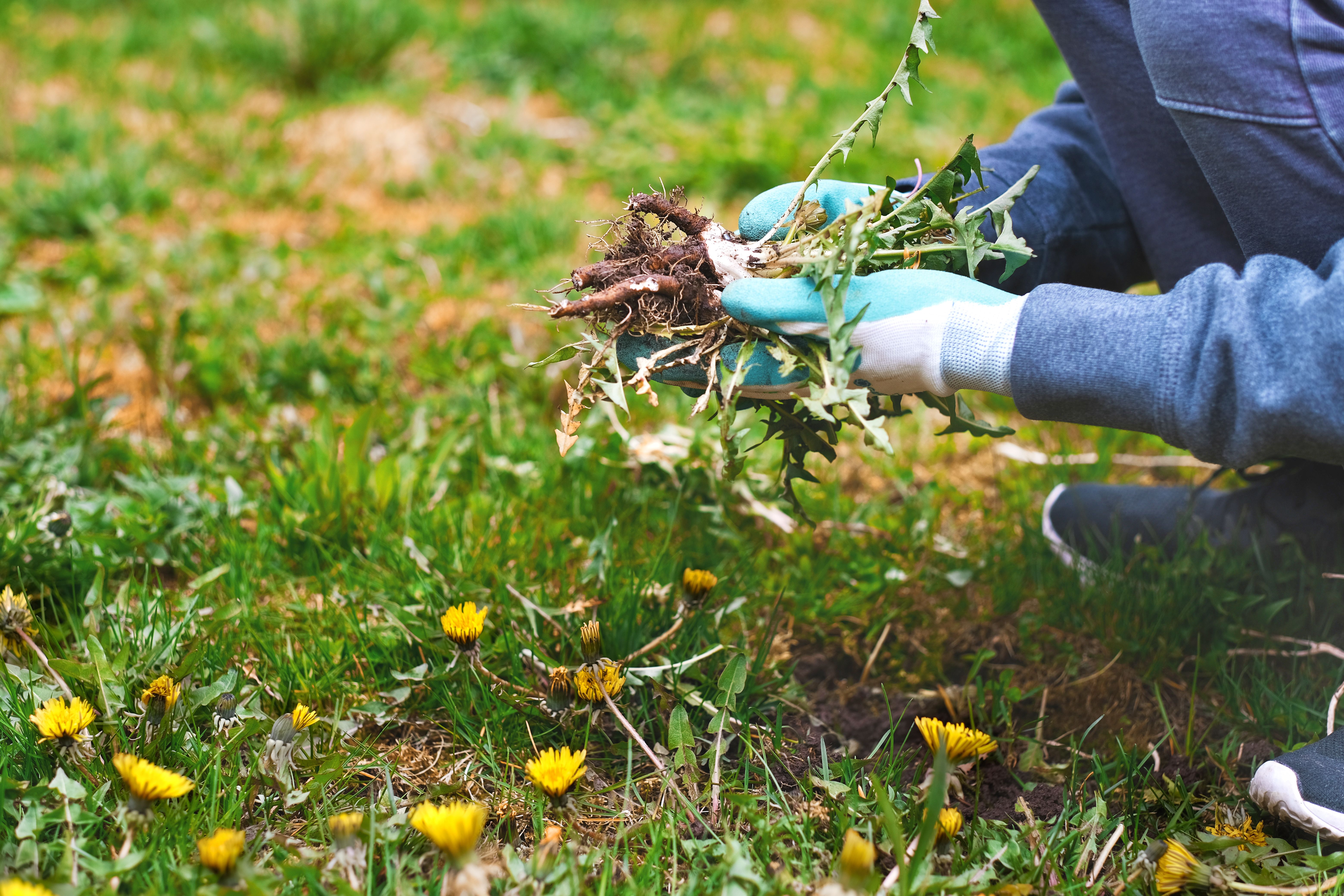
It’s a common belief that weeds are unavoidable, but with proper lawn care, you can significantly reduce their presence. Regular mowing, watering, and fertilizing create a dense lawn that naturally suppresses weed growth. Additionally, manually removing weeds before they seed can help maintain a pristine lawn.
Mowing and Seasonal Care
Myth 5: Mowing Wet Grass Is Fine
Some may think that mowing wet grass doesn’t harm the lawn, but this is far from the truth. Wet grass can clump together, leading to uneven cuts and potentially damaging your mower. It's best to wait until the lawn is dry to ensure a clean, even cut.
By understanding and debunking these myths, you can ensure your lawn remains healthy and vibrant throughout the year. Implementing expert advice not only saves you time and effort but also enhances the beauty and resilience of your lawn. With these insights, you're on your way to achieving the perfect, lush landscape.